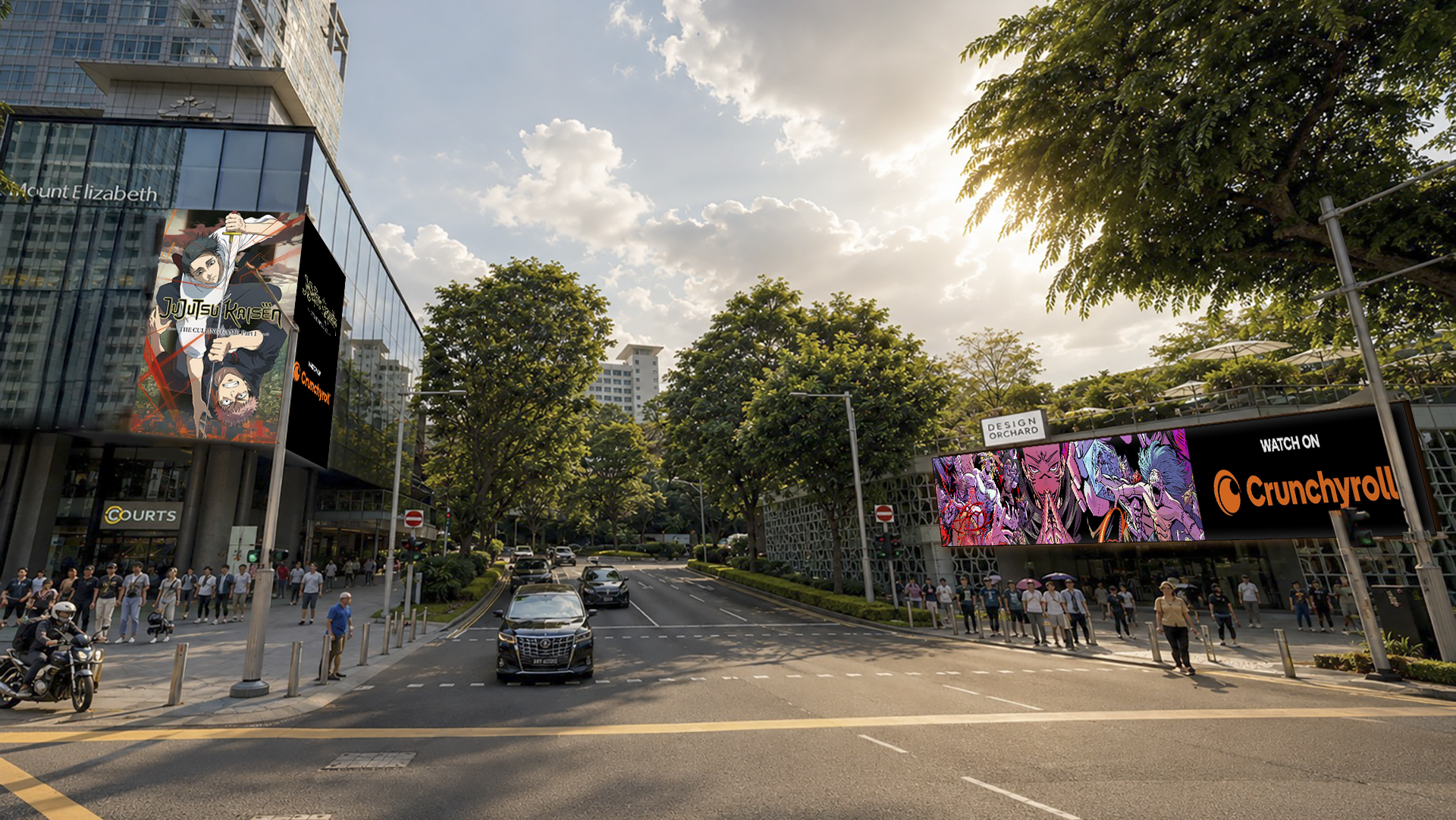
Two sites of the same size can deliver very different results. Ask these five questions about audience, viewing time, visibility, shared screens and measurement before you book outdoor advertising.
Booking outdoor advertising can feel like choosing a seat in a stadium you cannot visit first. Two out-of-home (OOH) sites with similar sizes can deliver very different results. So before you commit budget, ask these five questions about any OOH site, whether it is a digital LED screen on Orchard Road, a static billboard in Chinatown or an arrival hall at an airport in Bali.
The 5 questions at a glance
No | Question | What to ask the media owner |
|---|---|---|
1 | Who actually passes by, and when? | Audience profile, busiest hours, type of traffic |
2 | How long will people see it? | Dwell time, traffic speed, signal timing |
3 | What are the viewing distance and angle? | Photos at your campaign hours, obstructions, lighting |
4 | How many advertisers share the screen? | Spots per day, loop length, share of voice |
5 | How will you measure results? | KPIs, reporting, proof of posting |
1. Who actually passes by, and when?
A busy location is not always the right audience. Office workers, tourists, students and shoppers can pass the same junction at very different hours, and your message needs to reach the right group at the right time.
What to ask the media owner
What is the audience profile: commuters, tourists, shoppers or business travellers?
Which days and hours are busiest?
Is the traffic pedestrian, vehicular or both?
What audience data is available, and how recent is it?
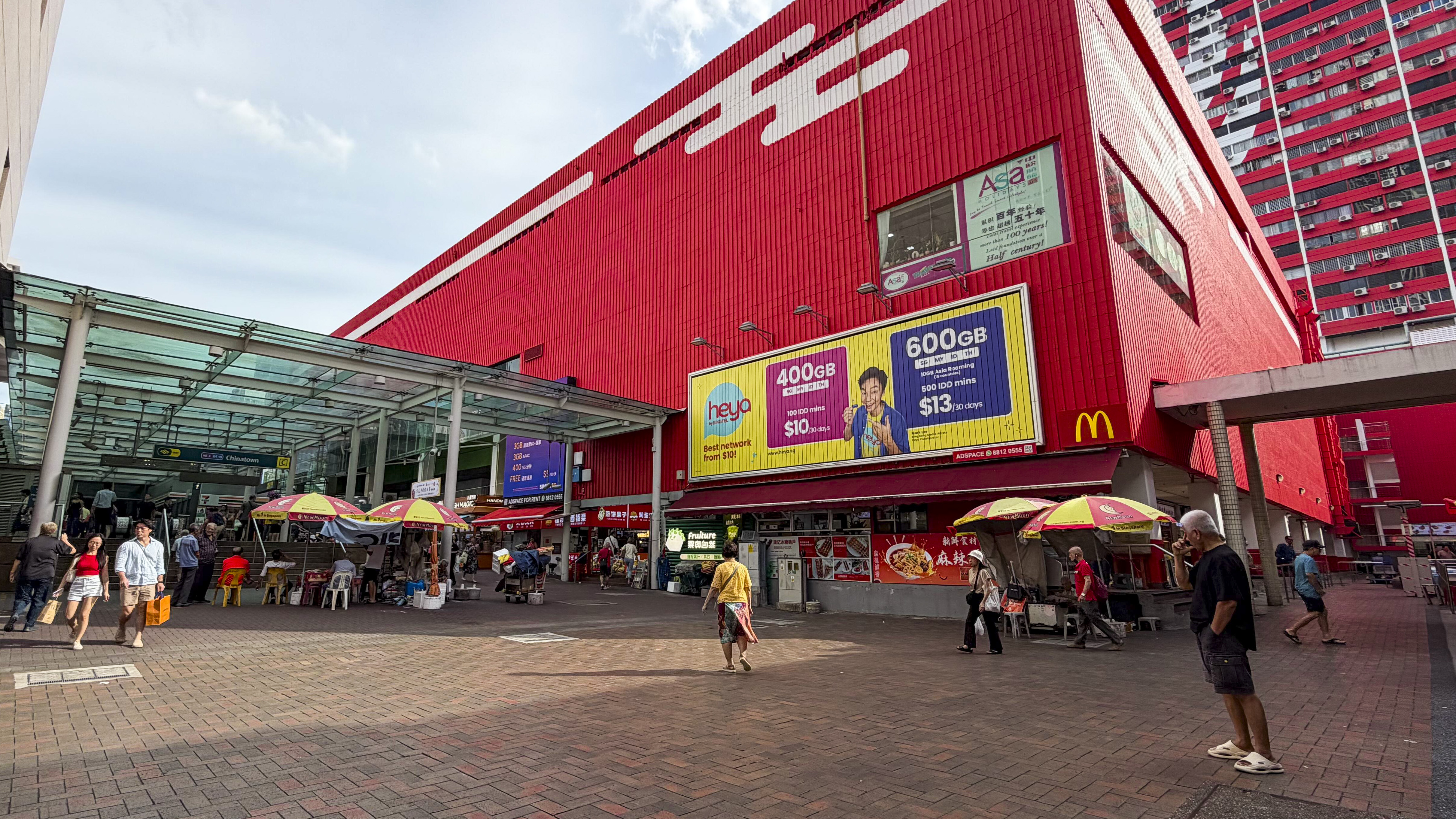
Example
For example, a screen facing the Chinatown MRT exit reaches locals, tourists and office workers, which suits a Chinese New Year campaign. A screen in the Orchard Road retail belt reaches shoppers and visitors, which suits a gifting or launch campaign.
Tip: check what the number means
One tip: check what the number means. Some figures are footfall, some are vehicular traffic and some are impressions. They are not like for like.
Explore available OOH locations
2. How long will people actually see it?
A large screen is only useful if people have time to read it. Viewing time (dwell time) depends on how people move: walking, driving, waiting at traffic lights or standing in a queue.
What to ask the media owner
How fast does traffic move past the site?
Is there a traffic light or a queue nearby that slows people down?
Do people pass once, or repeatedly on a daily commute?
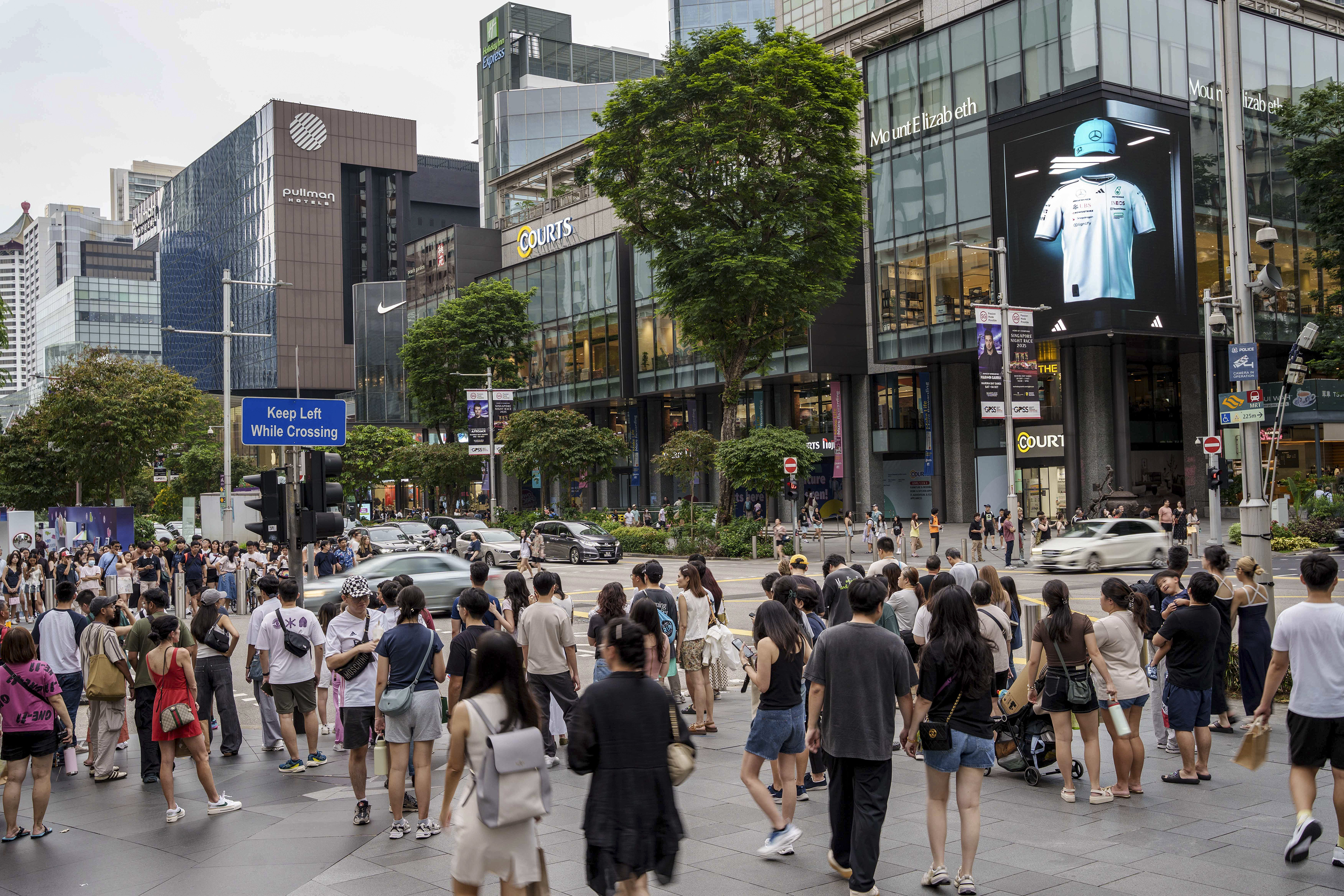
Example
Sites at long traffic-light junctions give drivers and pedestrians more time to read. Airport baggage claim is another example: passengers can wait 30 minutes or more for their bags, which gives longer exposure than a quick walk-by.
3. What are the viewing distance and angle?
Size is not everything. A 12 x 9.5 m screen is powerful when it faces oncoming traffic, but a smaller screen with a clear head-on view can work better than a big one seen from an awkward angle.
What to ask the media owner
Is the site seen head-on or from the side?
Do trees, buildings or signs block the view at any point?
How does the screen look at your campaign hours: daylight, dusk and night?
Can you see photos or visit the site?
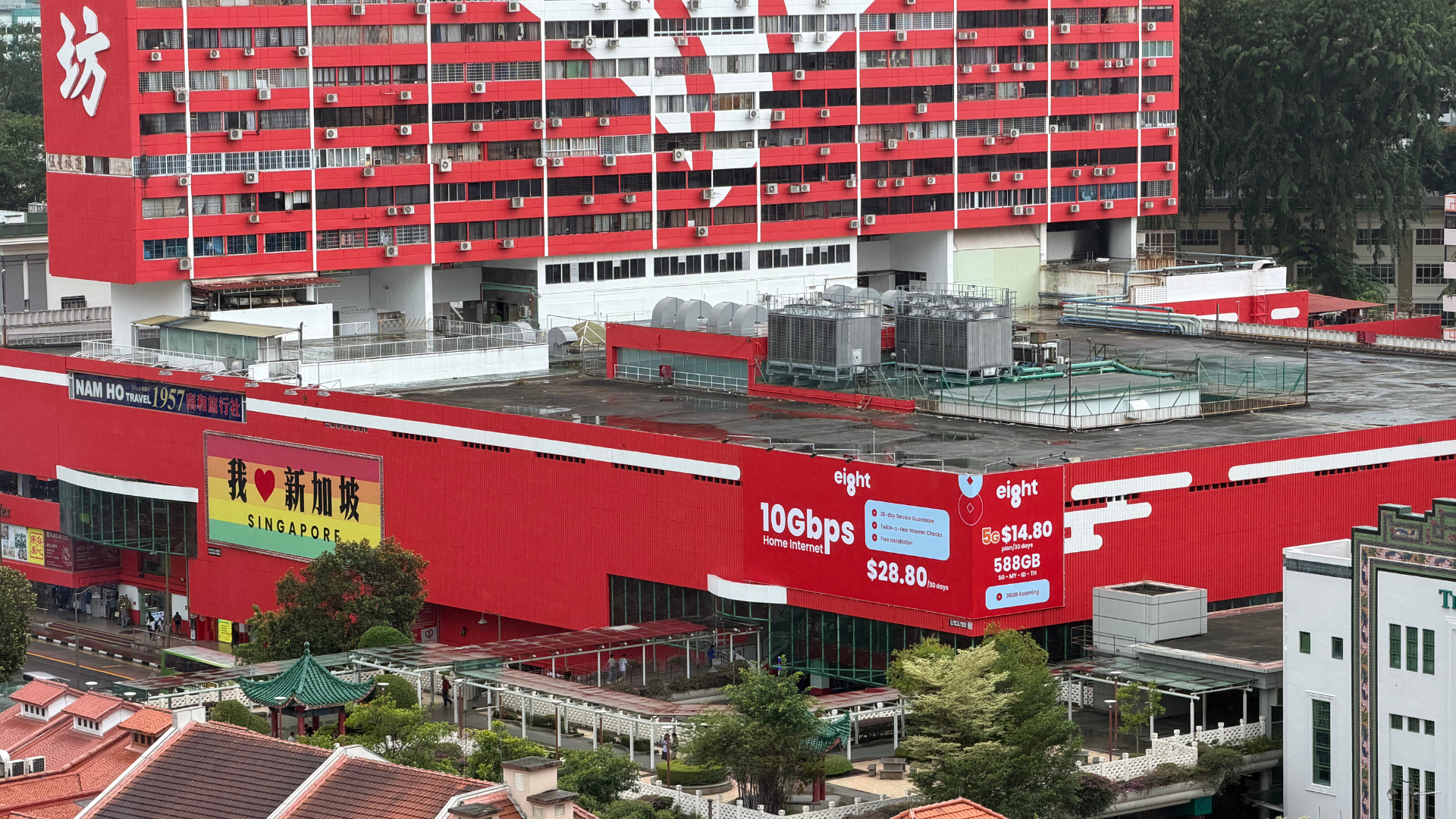
How to design for it
Then design for it. Keep the message short, use large text and strong contrast, and make sure the main idea lands in the first three seconds.
4. How many advertisers share the screen?
Most digital OOH screens run a loop of ads from several brands. Your share of that loop decides how often people actually see you.
What to ask the media owner
How many spots run per day, and how long is the loop?
What is your share of voice?
How long is each spot (for example 10, 15 or 30 seconds)?
Are competitors in the same category allowed in the loop?
What share of voice looks like
Share of voice varies a lot between sites. For example, Orchard Flagship DOOH runs 720 spots daily for a 15 second ad with a 20% share of voice, while Chinatown Courtyard DOOH runs 280 spots daily for a 15 second ad with a 8% share of voice.
Static sites show one advertiser at a time, so the question is different: ask how long your artwork will stay up and what is next to it.
5. How will you measure results?
Decide how you will judge success before you book, not after. OOH can be measured, but only if you plan for it.
Ways to measure
A unique URL, QR code or promo code on the creative
Search and social activity during the campaign period
A brand lift survey around the campaign
Footfall or store-visit data for retail campaigns
Photo or video proof that your ad ran as agreed, with a regular report
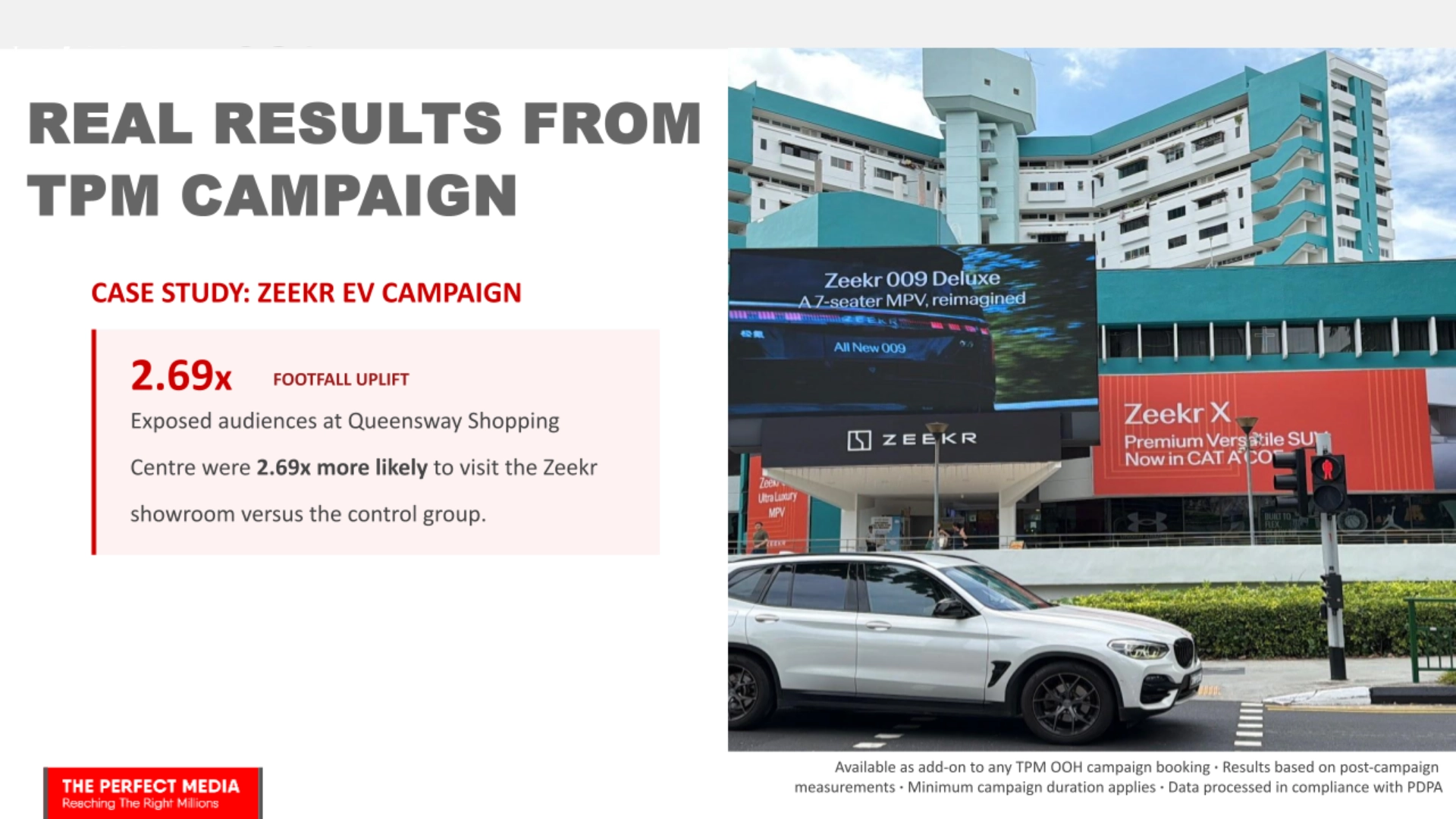
Agree the metrics first
Ask what reporting is included and what costs extra. Agree the key metrics first so everyone is working toward the same goal.
Before you book: timing and artwork
Good questions help most when you ask them early.
Plan ahead. Popular festive sites often book out well before the season, and sites are usually first come, first served. Many brands start planning about three months before a campaign.
Allow time for artwork. Artwork is usually submitted about two to three weeks before go-live, so build in time for design changes.
Check approvals. Some sites need approval from building management or authorities. Ask how long this takes.
Confirm the specs. Ask for file format, resolution and spot length early to avoid last-minute changes.
Ready to shortlist your sites?
Planning an outdoor campaign in Singapore or Indonesia? Tell us your audience, timing and budget range, and our team will suggest a site shortlist. Discuss Your OOH Campaign
Tell us about your campaign and we’ll map the right OOH mix.
Talk to a TPM Strategist